
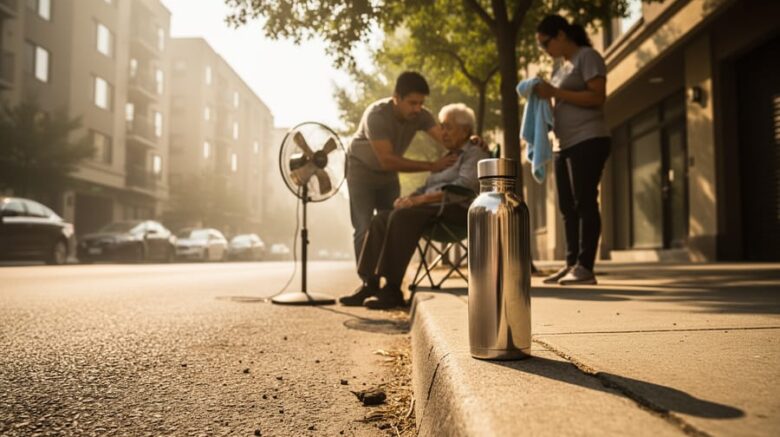
An extreme high temperature warning is issued when meteorological agencies forecast dangerously hot conditions that pose immediate health risks, typically when daytime temperatures exceed 32-35°C combined with high humidity and limited overnight cooling. These alerts trigger official guidance to stay hydrated, check on vulnerable neighbors, never leave children or pets in vehicles, recognize heat illness symptoms, and call emergency services for suspected heat stroke.
Multiple agencies worldwide issue these warnings under different systems. In the UK, the Health Security Agency publishes heat-related health warnings across England when thresholds are met. In Canada, Environment and Climate Change Canada uses a color-coded system, with yellow warnings indicating the first tier of concern. Similar protocols operate in the United States, Australia, and across Europe, each calibrated to regional climate norms and population vulnerability.
The warnings serve a clear purpose: preventing heat-related deaths and hospitalizations. When temperatures climb beyond what the human body can safely regulate through sweating and circulation, risk escalates rapidly for older adults, young children, people with chronic conditions, outdoor workers, and anyone without access to cooling. Even healthy individuals can experience heat exhaustion or heat stroke during prolonged exposure.
Why are these alerts becoming more frequent? Climate patterns have shifted baseline temperatures upward, making extreme heat events more intense and longer-lasting than in previous decades. Urban heat islands, where concrete and asphalt absorb and radiate warmth, amplify the effect. Understanding this connection between rising emissions and public health emergencies helps explain why heat warnings now appear during months that historically required no special precautions.
When you receive an extreme high temperature warning for your area, treat it as seriously as any severe weather alert. The guidance is simple, but following it can be lifesaving.
What Triggers an Extreme High Temperature Warning
Extreme high temperature warnings follow specific criteria set by national meteorological and health agencies. These thresholds account for temperature, humidity, duration, and regional climate norms to determine when heat poses a serious public health risk.
Environment and Climate Change Canada uses a colour-coded system based on humidex values and temperature readings. A Yellow Heat Warning typically kicks in when daytime temperatures reach the 32-35°C range, combined with overnight lows that prevent adequate cooling. These warnings consider both the intensity of the heat and how long it persists, since consecutive hot days and warm nights strain the body’s ability to recover.
The UK Health Security Agency issues heat-health alerts for England when meteorological conditions indicate temperatures will impact health services and vulnerable populations. Their system ranges from green (minimal risk) through yellow and amber to red (national emergency). Yellow alerts go out when threshold temperatures are forecast for specific regions, signaling that some health impacts are likely among high-risk groups.
| Warning Level | Temperature Threshold | Issuing Agency |
|---|---|---|
| Yellow Heat Warning | 32-35°C (daytime) | Environment and Climate Change Canada |
| Heat Advisory | Humidex 35-39 | Environment and Climate Change Canada |
| Yellow Heat-Health Alert | Region-specific thresholds | UK Health Security Agency |
Heat advisories serve as early notifications when conditions will be uncomfortable but not immediately dangerous for most people. Warnings escalate the urgency, indicating that heat will affect not just vulnerable groups but potentially healthy adults who spend time outdoors or lack air conditioning. Emergency alerts represent the highest level, reserved for prolonged, record-breaking heat waves that threaten widespread health impacts and strain emergency services.
The distinction matters because each level demands different responses. An advisory means taking extra precautions if you’re at risk. A warning requires everyone to modify their activities and check on neighbours. Understanding these levels helps you gauge the seriousness of the forecast and respond appropriately rather than dismissing all heat alerts as routine.
Where These Warnings Are Being Issued
Extreme high temperature warnings span diverse geographic scales, reflecting both the widespread nature of heat events and the localized conditions that determine risk thresholds. In England, the UK Health Security Agency issues heat-related health warnings that can cover the entire country when conditions warrant nationwide concern. These England-wide alerts ensure consistent messaging and preparedness across regions, from urban centers to rural areas.
In Canada, Environment and Climate Change Canada takes a more regional approach, issuing Yellow Heat Warnings for specific areas based on local temperature forecasts and humidity levels. Communities like Saint John, New Brunswick, receive targeted alerts when their region faces extreme heat and humidity conditions. This localized system accounts for the varying climate zones across Canada’s vast geography, where a temperature considered extreme in one province might be typical summer weather in another.
The scope of these warnings depends on meteorological patterns and population vulnerability. A single heat event might trigger alerts across multiple provinces or counties simultaneously, while other times, warnings apply to just one city or district. Residents can check current alerts for their specific location through resources like, which provides real-time updates tailored to regional conditions. Understanding that these warnings operate at both national and community levels helps you recognize when your area faces risk, regardless of whether neighboring regions receive similar alerts.
Health Risks You Need to Know About

Extreme heat doesn’t just make you uncomfortable, it can rapidly escalate into life-threatening medical emergencies. Heat exhaustion develops when your body loses excessive water and salt through sweating, causing symptoms like heavy sweating, weakness, dizziness, nausea, and muscle cramps. If untreated, it progresses to heat stroke, a true emergency where your body’s temperature regulation fails completely. Core temperature soars above 40°C, sweating stops, and confusion, seizures, or loss of consciousness can follow within minutes.
Certain groups face disproportionate risk during extreme heat events. Adults over 65 have reduced ability to sense temperature changes and regulate body heat. Young children, especially infants, haven’t fully developed these systems either. People with chronic conditions like heart disease, diabetes, or respiratory illnesses struggle more because heat stresses already-compromised systems. Those taking medications that affect sweating or blood pressure are also vulnerable.
The public health dimension extends beyond direct heat illness. Extreme temperatures worsen heat and air quality simultaneously, compounding respiratory distress. When combined with wildfire smoke effects the risks multiply for everyone, not just those with pre-existing conditions.
Outdoor workers, athletes, and people without air conditioning or adequate housing face heightened exposure. Social isolation increases danger, someone living alone may not recognize their own symptoms or have help nearby. This is why checking on vulnerable neighbors during heat warnings isn’t just neighborly advice, it’s a critical safety measure that saves lives.
Immediate Actions to Take When a Warning Is Issued
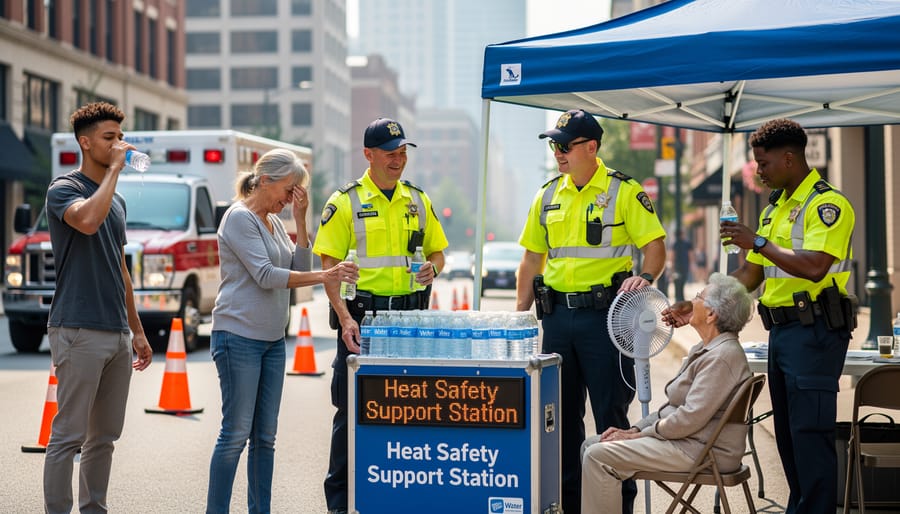
When an extreme high temperature warning is active in your area, taking swift, deliberate action can prevent serious health consequences. The steps below are drawn from public health and emergency management guidance and can protect you, your household and your community.
Get Current Information and Stay Updated
First, confirm the warning details for your specific location. Environment and Climate Change Canada provides real-time weather updates at, where you can view alert severity, expected duration and affected regions. Check this resource regularly, as conditions and timeframes can shift. Set up weather alerts on your phone if available, so you receive automatic notifications when warnings are issued or extended.
Hydrate Continuously, Not Just When Thirsty
Drink water steadily throughout the day, even if you don’t feel thirsty. Thirst lags behind your body’s actual fluid needs during extreme heat, so waiting until you’re parched means you’re already mildly dehydrated. Aim for small, frequent sips rather than gulping large amounts at once. Avoid alcohol, caffeine and sugary drinks, which can accelerate dehydration. If you’re working or exercising outdoors, increase your intake further and consider beverages with electrolytes to replace lost salts.
Check on Vulnerable Neighbors and Family Members
Reach out to elderly relatives, neighbors living alone, young children and anyone with chronic health conditions. A quick phone call or brief visit can reveal early warning signs of heat stress. Offer to help them access cooler spaces, ensure they have enough water, or assist with errands that would otherwise force them outdoors during peak heat hours. Community resilience starts with these simple acts of checking in.
Never Leave Children or Pets in Vehicles
Vehicle interiors heat up with dangerous speed. Even with windows cracked, a car’s cabin temperature can climb 20 degrees Celsius in ten minutes, reaching lethal levels within half an hour. There is no safe duration for leaving a child or pet unattended in a parked car during a heat warning. If you see an unattended child or animal in a vehicle, call emergency services immediately.
Recognize Heat Illness Signs and Know When to Call for Help
Heat exhaustion symptoms include heavy sweating, weakness, dizziness, nausea, headache, muscle cramps and cool, clammy skin. If you or someone else shows these signs, move to a cooler location, sip water slowly, loosen clothing and apply cool compresses. Heat stroke is a medical emergency: signs include a body temperature above 40°C, hot and dry skin (sweating may stop), confusion, slurred speech, rapid pulse, seizures or loss of consciousness. Call 911 immediately if you suspect heat stroke. Do not wait or attempt to drive the person to a hospital yourself, paramedics can begin life-saving treatment en route.
The Energy-Climate Connection: Why These Warnings Are Increasing
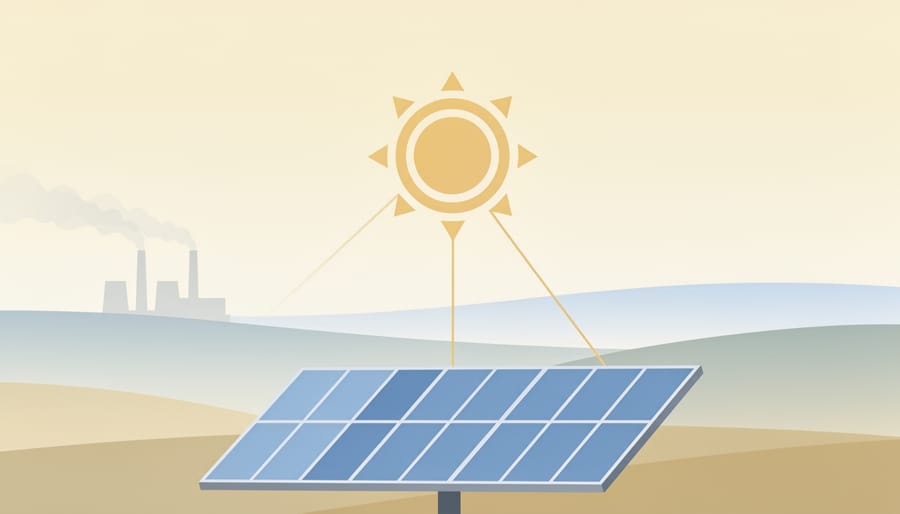
The rise in extreme high temperature warnings is not a coincidence. It reflects a well-documented warming trend driven largely by greenhouse gas emissions from burning fossil fuels. When coal, oil and natural gas generate electricity or power vehicles, they release carbon dioxide and methane that trap heat in the atmosphere. Over time, this accumulation raises baseline temperatures and shifts weather patterns, making intense heat events both more frequent and more severe.
Fossil fuel combustion accounts for the majority of human-caused climate warming. As average temperatures climb, the thresholds that trigger heat warnings are reached more often. What was once a rare summer spike becomes a recurring alert. Regions that traditionally enjoyed moderate climates now see daytime highs that meet the criteria for yellow or red heat warnings, and these conditions persist longer and affect wider areas.
Transitioning to renewable energy offers a practical path to slow this trend. Wind, solar and geothermal systems generate power without releasing greenhouse gases. Expanding wind capacity, for example, replaces coal and gas plants that would otherwise add carbon to the atmosphere. The benefits of wind energy extend beyond emissions cuts: wind farms reduce air pollution, create jobs and increase grid resilience during peak demand when heat waves strain conventional power stations.
Solar installations have a similar effect. Rooftop panels and utility-scale arrays convert sunlight into electricity cleanly, cutting reliance on fossil fuels. Geothermal plants tap stable underground heat, providing baseload power day and night. Each megawatt-hour generated from renewables displaces emissions that would have contributed to warming.
Climate models show that limiting further temperature rise requires rapid decarbonization of the energy sector. Widespread adoption of wind, solar and storage technology can help stabilize the conditions that make extreme heat warnings necessary. While renewable energy alone will not eliminate heat events, it addresses the root cause and reduces the severity of summer extreme weather over the coming decades.
How Communities Can Build Heat Resilience
Building community-wide defenses against extreme heat requires infrastructure, planning, and coordinated action that go beyond individual preparedness. Cities and towns facing recurring high temperature warnings are implementing multi-layered strategies that protect residents while addressing the underlying energy and climate factors driving these events.
Cooling centers provide immediate refuge during heat emergencies. Libraries, community centers, and shopping malls can serve as designated spaces where people without air conditioning find relief. Effective programs ensure these facilities are accessible, well-publicized, and equipped with water and medical support. Transportation services to reach these centers matter especially for elderly or mobility-limited residents who face the highest heat-related health risks.
Urban design plays a powerful role in temperature management. Cities are expanding tree canopy coverage in neighborhoods that lack shade, reducing surface temperatures by several degrees. Green roofs, reflective pavement, and preserving natural waterways create cooling microclimates that lower ambient heat. These interventions work year-round, not just during warnings, making communities more livable while cutting energy demand for cooling.
Energy infrastructure determines whether grids can handle the surging electricity demand when everyone runs air conditioning simultaneously. Communities investing in distributed renewable energy, rooftop solar arrays, local wind installations, and battery storage systems, reduce strain on centralized power plants during peak heat hours. This shift away from fossil fuel generation also addresses the emissions driving long-term warming trends that make extreme heat warnings more frequent.
Building codes that mandate energy-efficient construction, better insulation, and heat-reflective materials ensure new developments don’t amplify future cooling loads. Retrofitting existing structures, particularly affordable housing where vulnerable populations live, prevents these buildings from becoming heat traps. Combined with renewable energy integration, these upgrades create resilient neighborhoods capable of weathering intense heat without overwhelming local power systems or exposing residents to dangerous indoor temperatures.
Extreme high temperature warnings demand our immediate attention and action. These alerts exist to protect lives, and the steps you take today can prevent serious illness or tragedy tomorrow. Keep water within reach, check on neighbors who live alone, and never underestimate how quickly heat can turn dangerous for children or pets left in vehicles. When warnings arrive, treat them as the urgent public health notices they are.
Your personal preparedness matters, but so does the bigger picture. The connection between climate change and extreme heat is undeniable, and our energy choices shape the future we’re building. Supporting renewable energy initiatives in your community reduces the fossil fuel emissions driving temperature increases. Whether that means advocating for local solar projects, choosing clean energy providers, or simply staying informed about climate solutions, your voice strengthens the collective push toward a safer, cooler planet.
Right now, take three concrete steps: assemble an emergency kit with water, electrolyte drinks, and a battery-powered radio for weather updates. Share heat safety guidelines with family, friends, and colleagues, especially those caring for vulnerable populations. Finally, get involved in climate action efforts that promote wind, solar, and other renewable technologies proven to reduce greenhouse gas emissions.
Extreme heat warnings will continue as long as warming continues. Your preparation protects your household today. Your support for renewable energy helps protect everyone tomorrow.