
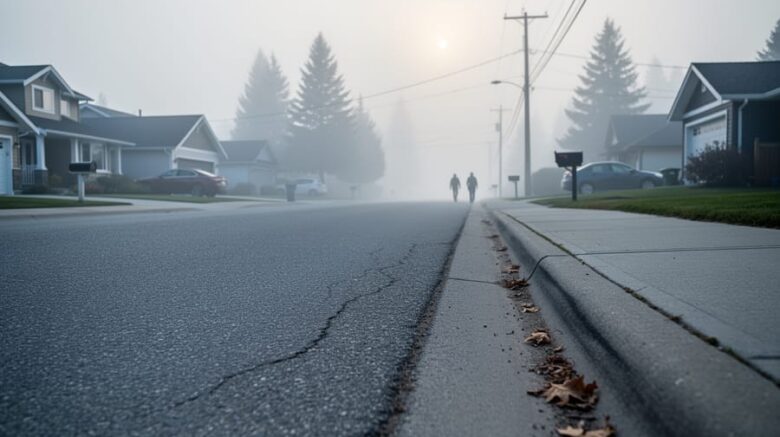
Sicamous residents are breathing unhealthy air right now, with the Air Quality Index (AQI) measuring 106 and PM2.5 particles identified as the dominant pollutant. If you or your family members are children, older adults, or have lung disease, avoid outdoor exertion until conditions improve. Current readings from the Personal Weather Station Salmon Arm classify conditions as “Unhealthy for Sensitive Groups,” meaning vulnerable populations should limit time outside while healthy adults can continue most activities with caution.
PM2.5 refers to fine particulate matter smaller than 2.5 micrometers, roughly 30 times finer than a human hair. These microscopic particles bypass your body’s natural defenses and lodge deep in lung tissue, triggering respiratory inflammation and cardiovascular stress. During poor air quality episodes like the one affecting Sicamous today, indoor air often becomes your safest refuge.
Understanding your local air quality connects directly to broader environmental awareness. The monitoring data you’re checking today comes from the Copernicus Atmosphere Monitoring Service, part of a global network tracking atmospheric conditions and their relationship to climate patterns. While checking the AQI protects your immediate health, recognizing these air quality patterns helps communities advocate for cleaner energy solutions and reduced emissions over time.
This guide walks you through what the current readings mean for your daily plans, how PM2.5 affects your health, where monitoring data comes from, and concrete steps to protect yourself and your family until Sicamous air clears.
Current Air Quality Status in Sicamous
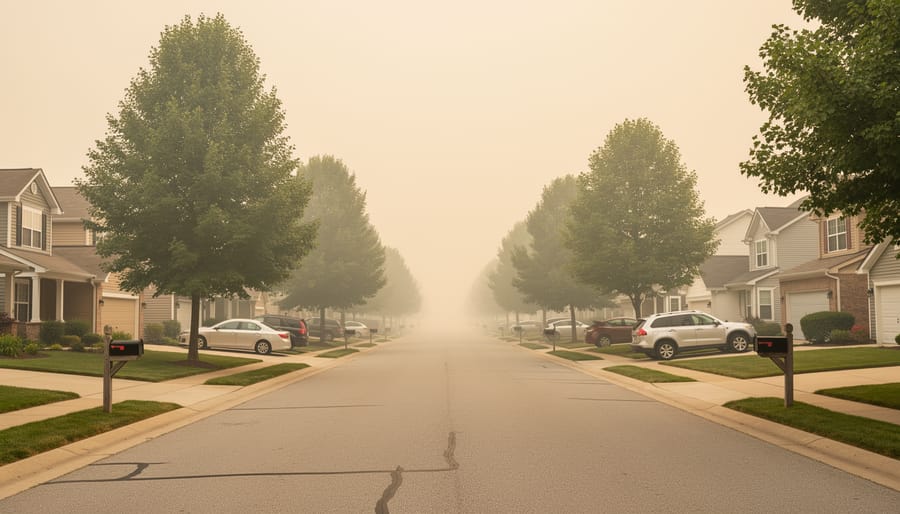
As of the most recent monitoring data, Sicamous is experiencing unhealthy air quality conditions that warrant immediate attention. The Air Quality Index currently stands at 106, placing the region in the “Unhealthy for Sensitive Groups” category. This means that while the general public may not experience significant health effects, certain vulnerable populations should take precautions when spending time outdoors.
PM2.5 particles have emerged as the dominant pollutant driving these elevated readings. These fine particulate matter readings are being captured by the Personal Weather Station Salmon Arm (ISALMO34), which provides real-time monitoring data for the region. The station’s measurements are integrated with Copernicus Atmosphere Monitoring Service information, offering residents and visitors a reliable picture of current conditions.
The Air Quality Health Index uses a standardized scale that helps translate raw pollution measurements into actionable health guidance. Understanding where current conditions fall on this scale is crucial for making informed decisions about outdoor activities.
| AQI Range | Health Category | Outdoor Activity Guidance |
|---|---|---|
| 0-50 | Good | Safe for all outdoor activities |
| 51-100 | Moderate | Acceptable; sensitive individuals should limit prolonged exertion |
| 101-150 | Unhealthy for Sensitive Groups | Children, older adults, and those with respiratory conditions should reduce outdoor exertion |
| 151-200 | Unhealthy | Everyone should limit prolonged outdoor exertion |
With readings at 106, Sicamous sits just above the threshold where sensitive groups need to adjust their outdoor plans. Children playing outside, older adults going for walks, and anyone with existing lung conditions should minimize strenuous outdoor activities until air quality improves. The situation isn’t severe enough to keep everyone indoors, but it does require awareness and appropriate precautions for those most vulnerable to air pollution effects.
Understanding PM2.5 and Why It Matters
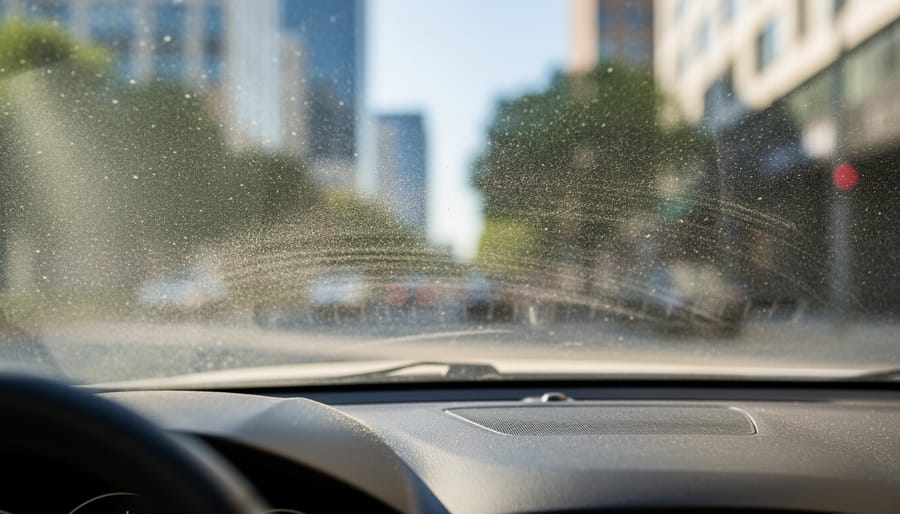
PM2.5 refers to particulate matter measuring 2.5 micrometers or smaller in diameter. To put that in perspective, these particles are roughly 30 times smaller than the width of a human hair and completely invisible to the naked eye. A single grain of fine beach sand is about 90 micrometers across, making it 36 times larger than a PM2.5 particle. This microscopic size is exactly what makes these pollutants so dangerous.
When we talk about PM2.5 and smoke we’re discussing the primary health threat during poor air quality episodes. These fine particles originate from several sources. Wildfire smoke is a major contributor in British Columbia’s interior, releasing vast quantities of PM2.5 as organic material burns. Vehicle exhaust, particularly from diesel engines, produces significant amounts through incomplete combustion. Industrial facilities, wood stoves, and agricultural burning also add to the particulate load in the air.
The health concern centers on how easily PM2.5 penetrates your respiratory defenses. Larger particles get trapped in your nose and throat, but PM2.5 particles sail past these natural filters. They travel deep into your lungs, reaching the tiny air sacs called alveoli where oxygen enters your bloodstream. Some particles are small enough to cross directly into your blood, spreading throughout your body.
Once lodged in lung tissue, PM2.5 triggers inflammation. Your immune system recognizes these particles as foreign invaders and mounts a response. For healthy adults, short-term exposure causes irritation, coughing, and reduced lung function. For sensitive groups including children whose lungs are still developing, older adults with declining respiratory capacity, and anyone with asthma or chronic obstructive pulmonary disease, the effects are more severe.
Research links PM2.5 exposure to increased hospital admissions for respiratory and cardiovascular problems. The particles stress your heart as it works harder to deliver oxygen through inflamed airways. Long-term exposure correlates with chronic bronchitis, reduced lung function, and higher rates of heart disease. This is why air quality advisories focus specifically on PM2.5 levels rather than simply visibility or general pollution.
Health Guidance for Current Conditions
When air quality reaches the “Unhealthy for Sensitive Groups” level, certain populations face significantly higher health risks and need to take immediate protective action. The current designation reflects elevated PM2.5 concentrations that can trigger respiratory symptoms and cardiovascular stress in vulnerable individuals.
Three groups face the greatest risk during these conditions: children, whose developing lungs and faster breathing rates make them more susceptible to particle inhalation; older adults, who often have underlying health conditions that air pollution exacerbates; and anyone with pre-existing lung disease, including asthma, COPD, or chronic bronchitis. For these populations, even short-term exposure to elevated PM2.5 can cause breathing difficulties, trigger asthma attacks, or worsen existing respiratory conditions.
- Sensitive groups should avoid prolonged or heavy outdoor exertion until air quality improves
- Children should limit outdoor play and sports activities, particularly during peak pollution hours
- People with asthma or other lung conditions should keep rescue inhalers readily accessible
- Older adults should reschedule non-essential outdoor activities to days with better air quality
If you or someone in your household falls into a sensitive group, watch for symptoms like coughing, chest tightness, shortness of breath, or unusual fatigue. These warning signs indicate that air quality is affecting your respiratory system, and you should move indoors immediately.
For the general population not in sensitive categories, moderate outdoor activity remains acceptable during “Unhealthy for Sensitive Groups” conditions, though it’s wise to pay attention to how you feel. If you notice any respiratory discomfort, scale back your activity level or move indoors. Indoor spaces typically have lower PM2.5 concentrations than outdoor air, making them the safest option when readings climb above 100 AQI.
Everyone benefits from checking the current air quality reading before planning outdoor activities during periods of poor air quality. The situation can change hour by hour based on wind patterns, atmospheric conditions, and pollutant sources, so staying informed helps you make smart decisions about when and how long to spend time outside.
What Causes Air Quality Fluctuations in Sicamous
Sicamous sits in the Shuswap region of British Columbia’s interior, where a unique combination of geography and climate creates conditions that can trap and concentrate air pollutants. The community’s location in a valley system means temperature inversions happen frequently, particularly during cooler months. These inversions occur when a layer of warm air settles above cooler air near the ground, essentially creating a lid that prevents pollutants from dispersing upward. Smoke, vehicle emissions, and particulate matter become trapped close to the surface where people breathe.
Wildfire smoke impact represents the most significant factor affecting air quality throughout the BC interior. During fire season, smoke can travel hundreds of kilometers from active burns, carried by prevailing winds and regional weather patterns. Even when fires burn far from Sicamous, atmospheric conditions can funnel smoke into the valley system and hold it there for days. The surrounding forests and mountainous terrain both contribute to fire risk and influence how smoke moves through the region.
Seasonal weather patterns also play a major role. Summer typically brings drier conditions and increased wildfire activity, while winter inversions can trap wood smoke from residential heating along with vehicle emissions. Spring and fall transitions often see shifting wind patterns that either clear pollutants quickly or allow them to accumulate depending on the weather system in place.
Local emission sources matter too. Highway traffic through the community, residential wood burning, and industrial activities in the broader region all contribute to baseline pollution levels. When atmospheric conditions prevent these everyday emissions from dispersing, air quality degrades even without wildfire smoke. Understanding these multiple factors helps explain why readings can shift from Moderate to Unhealthy within hours as weather systems change or new smoke arrives in the area.
How Air Quality Monitoring Works
Air quality data reaches your phone or computer through a sophisticated network of ground stations, satellite instruments, and atmospheric models working together in real time. When you check the AQI for Sicamous, you’re tapping into multiple layers of monitoring technology that measure pollutants, analyze weather patterns, and predict how air quality will shift over the coming hours.
Ground-based stations form the foundation of this network. The Personal Weather Station Salmon Arm (ISALMO34) that currently reports Sicamous readings uses sensors to detect particle concentrations in the surrounding air. These devices draw air samples across laser beams or optical sensors that count and size particles, with particular attention to PM2.5, those fine particles small enough to penetrate deep into your lungs. The station records measurements continuously and transmits data to aggregation platforms that calculate the AQI number you see.
Satellite systems add a broader perspective. The Copernicus Atmosphere Monitoring Service combines data from European Space Agency satellites with ground observations to track pollutant movement across entire regions. These satellites measure atmospheric composition from space, detecting smoke plumes from wildfires, tracking industrial emissions, and monitoring how air masses move with weather systems. Computer models then process this satellite data alongside ground measurements to fill gaps between stations and forecast air quality changes.
Different monitoring sources carry different strengths. Government networks like those operated by provincial environmental agencies undergo regular calibration and meet strict quality standards, making them highly reliable for official health advisories. Personal weather stations provide hyperlocal readings and denser coverage but may experience occasional calibration drift. Satellite-based systems excel at capturing regional patterns and smoke transport but lack the precision of ground measurements for your specific neighborhood. The most accurate picture emerges when you cross-reference multiple sources, watching for consistency in the readings and understanding that a single station provides a snapshot while networked systems reveal the fuller story.
Practical Steps to Protect Yourself
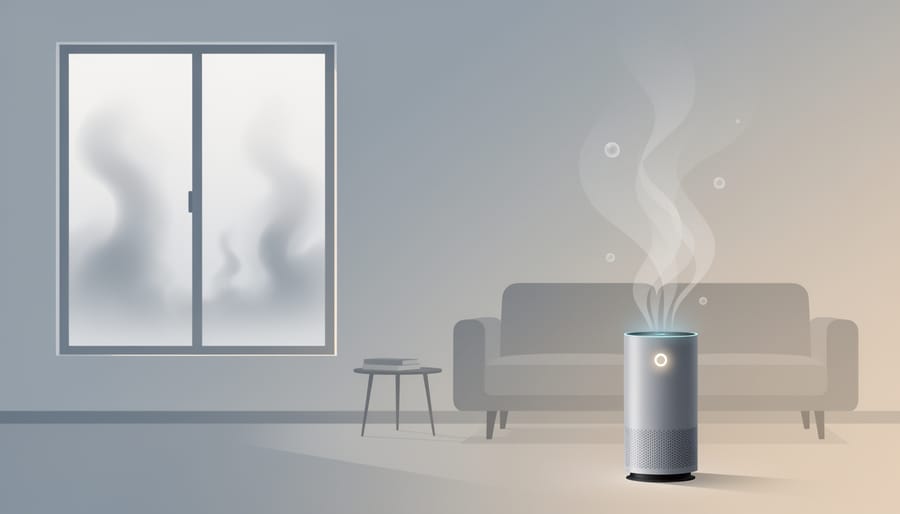
When air quality deteriorates to unhealthy levels, taking immediate protective action makes a measurable difference in your exposure to harmful PM2.5 particles. The most effective defense combines reducing outdoor time with improving your indoor environment.
Start by keeping windows and doors closed during poor air quality periods. This simple step prevents outdoor pollutants from entering your living space. Run your air conditioning on recirculate mode if available, which filters indoor air without drawing in outside pollution. If you don’t have AC, position a box fan with a furnace filter taped to the intake side to create a makeshift air purifier, this DIY solution captures a significant portion of fine particles at a fraction of the cost of commercial units.
For anyone needing to venture outside, timing matters. Check hourly air quality readings and plan essential errands during periods when AQI readings dip toward moderate levels, typically early morning or late evening. Limit physical exertion outdoors since heavy breathing increases particle inhalation.
N95 or KN95 masks offer genuine protection against PM2.5 when worn correctly. These masks filter at least 95 percent of fine particles, but only if the seal against your face is tight, gaps around the edges render them much less effective. Cloth masks and surgical masks do not adequately filter smoke particles and provide minimal protection during elevated air quality events.
Creating a clean air room gives your household a refuge space with the lowest possible particle concentration. To set one up:
- Choose a room with few windows and doors, preferably with an air conditioner or space for a portable air purifier
- Seal gaps around windows and doors with weather stripping or tape
- Run an air purifier with a HEPA filter, or position your box fan and filter setup to continuously clean the air
- Keep the door closed and limit entry and exit to maintain clean conditions
- Avoid activities that generate indoor particles, such as cooking, burning candles, or vacuuming without a HEPA filter
Replace HVAC filters more frequently during wildfire season, switching to higher-efficiency filters rated MERV 13 or above if your system can handle the airflow restriction. Stay hydrated to help your respiratory system manage any irritation, and monitor symptoms in vulnerable family members. If anyone experiences persistent coughing, shortness of breath, or chest tightness, seek medical attention regardless of outdoor air quality readings.
The Bigger Picture: Climate and Air Quality
The air quality challenges facing Sicamous reflect a troubling pattern unfolding across British Columbia’s interior and much of western North America. While today’s readings show unhealthy conditions driven by PM2.5 particles, these episodes are becoming more frequent and severe as our climate continues to warm.
Wildfire smoke accounts for the majority of poor air quality days in this region, and the connection to climate change is direct. Warmer temperatures dry out forests earlier in the season and extend the fire season by several weeks compared to historical norms. British Columbia has experienced some of its most destructive wildfire seasons in recent years, producing smoke that travels hundreds of kilometers and settles in valley communities like Sicamous where temperature inversions trap pollutants close to the ground.
The frequency of these smoke events matters for public health. Repeated exposure to PM2.5 particles carries cumulative risks, particularly for children whose lungs are still developing and for adults with existing respiratory conditions. Communities that once experienced a handful of smoky days each summer now face weeks of compromised air quality during fire season.
Addressing this challenge requires action on two fronts. In the immediate term, we need better forest management practices, early warning systems, and public health infrastructure to protect residents during smoke events. For the long term, reducing the greenhouse gas emissions that drive climate change is essential for limiting future wildfire risk.
This is where renewable energy becomes part of the air quality solution. Transitioning from fossil fuel combustion to wind, solar, and hydroelectric power directly improves air quality because clean energy lowers pollution at the source. Every megawatt-hour generated without burning coal, oil, or natural gas means fewer particulates and pollutants entering the atmosphere.
Canada’s shift toward renewable energy isn’t just about climate targets. It’s about creating the conditions for cleaner air in communities like Sicamous, reducing the atmospheric warming that intensifies wildfire seasons, and building a healthier environment for future generations.
Air quality in Sicamous can shift rapidly, and staying informed is your best defense. The current readings showing an AQI of 106 with PM2.5 as the dominant pollutant remind us that monitoring isn’t optional anymore, it’s essential for protecting your health and making smart decisions about outdoor activities.
If you’re among the sensitive groups identified in the health guidance, children, older adults, or anyone with lung disease, the message is clear: avoid outdoor exertion during periods when conditions reach Unhealthy for Sensitive Groups levels. But even if you’re not in these categories, checking reliable sources like the Personal Weather Station Salmon Arm regularly helps you plan your day around air quality fluctuations.
The good news? You’re not powerless. Simple steps like creating clean air spaces indoors, timing outdoor activities for better air quality windows, and using proper filtration can significantly reduce your exposure. These personal actions matter.
Looking ahead, supporting clean energy initiatives and emissions reduction efforts addresses the root causes. Climate change influences wildfire patterns and pollution events, making today’s air quality challenges a preview of what communities everywhere might face more frequently. By choosing renewable energy and advocating for cleaner air policies, you contribute to long-term solutions.
Check your local air quality today, bookmark reliable monitoring sources, and make informed choices that protect both your immediate health and our shared environmental future.