
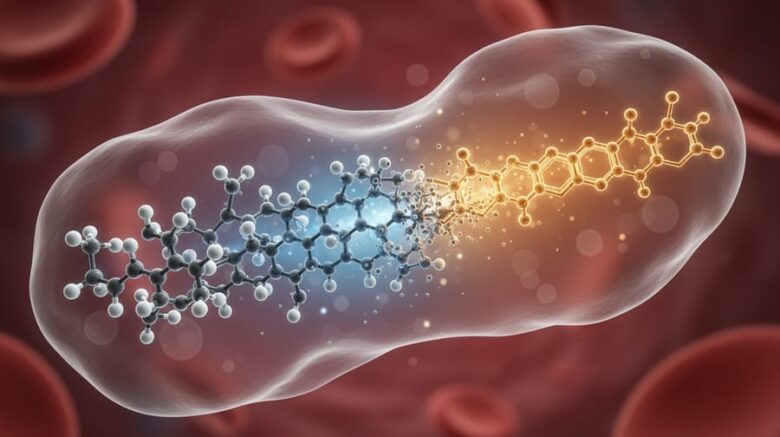
The hexenoyl modification in tesamorelin peptide is a six-carbon fatty acid chain attached to the first amino acid of the GHRH 1-44 sequence. This small structural change dramatically extends the peptide’s half-life in the body from minutes to hours, transforming a naturally fragile growth hormone-releasing hormone into a therapeutically viable treatment. Without this modification, the native GHRH molecule would break down too quickly to deliver consistent clinical benefits.
The science behind this modification offers a striking parallel to efficiency principles in renewable energy systems. Just as the hexenoyl chain allows a single dose of tesamorelin to work longer and more effectively, reducing waste and improving performance, energy-efficient technologies maximize output while minimizing resource consumption. In both cases, a targeted design improvement creates lasting impact.
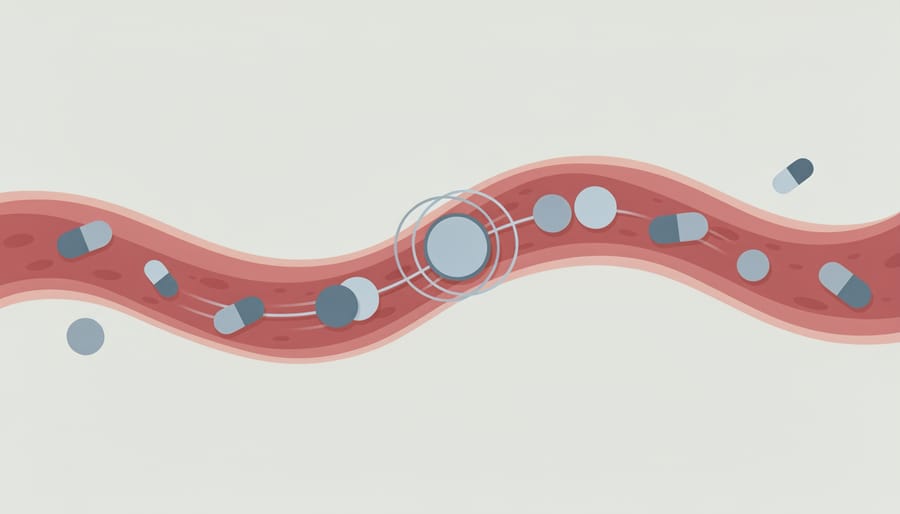
The hexenoyl group works by binding to albumin proteins in the bloodstream, shielding the peptide from rapid enzymatic degradation. This protection mechanism means tesamorelin can reach its target receptors in the pituitary gland and maintain therapeutic levels long enough to stimulate natural growth hormone release. The modification doesn’t change what the peptide does, but rather how long it can do it.
Understanding these molecular optimizations helps illustrate a broader principle: small, precise changes in design can yield exponential improvements in performance and sustainability, whether we’re discussing pharmaceutical compounds or clean energy solutions.
Understanding GHRH 1-44 and the Need for Modification
Growth hormone-releasing hormone (GHRH) is a 44-amino-acid peptide produced by the hypothalamus. Its job is straightforward: signal the pituitary gland to release growth hormone, which in turn regulates metabolism, tissue repair, and body composition. In a healthy system, the hypothalamus releases GHRH in pulses throughout the day, triggering corresponding surges of growth hormone that keep these processes running smoothly.
The problem with natural GHRH is that it doesn’t last. Once released into the bloodstream, enzymes called dipeptidyl peptidase-4 (DPP-4) and neutral endopeptidase (NEP) start breaking it down almost immediately. These enzymes cleave the peptide chain at specific sites, chopping it into inactive fragments within minutes. The natural half-life of unmodified GHRH 1-44 is somewhere between 6 and 10 minutes, which works fine for the body’s own pulsatile signaling but creates a serious obstacle for therapeutic use.
This rapid degradation means that if you administered natural GHRH as a treatment, it would be gone before it could produce a sustained therapeutic effect. Patients would need constant infusions or injections every few minutes to maintain blood levels, an approach that’s neither practical nor safe. The 44-amino-acid chain contains specific sequences that enzymes recognize and attack, particularly at the N-terminal region where DPP-4 cuts between positions 2 and 3.
For GHRH to work as a viable medication, researchers needed to protect it from enzymatic breakdown while preserving its ability to bind receptors and trigger growth hormone release. That’s where molecular modification comes in.
What the Hexenoyl Modification Does

The Chemistry Behind the Modification
The hexenoyl modification involves attaching a trans-3-hexenoic acid chain to a specific amino acid in the GHRH 1-44 peptide sequence. Scientists selected lysine at position 12 as the attachment point because this location sits away from the peptide’s active binding region, the part that interacts with growth hormone-releasing hormone receptors to trigger the biological response.
Lysine works well as an anchor point because it contains an amino group that readily forms stable bonds with fatty acid chains. The modification creates what chemists call an amide bond between the hexenoyl group and the lysine side chain. This bond is strong enough to remain intact during circulation but doesn’t interfere with the peptide’s ability to bind to its target receptors.
The trans-3-hexenoyl structure itself matters. This six-carbon fatty acid chain (hence “hexenoyl”) contains a double bond in the trans configuration, giving it a specific three-dimensional shape. This shape allows the chain to nestle into albumin proteins in the blood without creating steric clashes that might trigger immune responses or rapid clearance.
Position 12 proved optimal through systematic testing. Attaching the modification too close to the N-terminal region (positions 1-10) would block receptor binding. Placing it further along the sequence wouldn’t provide the same protective effect. The lysine-12 location balances accessibility for chemical synthesis with preservation of the peptide’s core function, creating a modified molecule that behaves predictably in the body.
Half-Life Extension and Clinical Impact
The unmodified GHRH 1-44 peptide has a biological half-life measured in minutes, typically six to eight minutes in circulation. This rapid degradation makes it impractical for therapeutic use. Patients would need constant infusions to maintain effective blood levels, a scenario that’s neither convenient nor economically viable.
Tesamorelin’s hexenoyl modification changes this dramatically. By binding to serum albumin, the modified peptide achieves a half-life of 26 to 38 minutes in healthy adults and up to 48 minutes in HIV patients with lipodystrophy. While still measured in minutes rather than hours, this represents a four-to-sixfold increase over the native hormone.
This extension allows for once-daily subcutaneous injections instead of continuous infusion. The peptide remains active long enough to trigger the physiological cascade that increases growth hormone secretion, then clears from the system before the next dose. This dosing practicality transforms a laboratory curiosity into a viable treatment option.
Clinical trials demonstrated that this modified dosing schedule produces sustained reductions in visceral adipose tissue over months of treatment, proving that the half-life extension translates directly into therapeutic benefit without requiring patients to maintain intravenous access.
Parallels Between Peptide Efficiency and Energy Efficiency

The hexenoyl modification to GHRH 1-44 shares a fundamental principle with renewable energy innovation: both optimize performance while cutting waste. Tesamorelin’s extended half-life means patients need fewer injections, which reduces packaging waste, shipping emissions, refrigeration energy, and disposal burden. A therapy that works for hours instead of minutes delivers the same clinical benefit with a fraction of the material throughput, much like a high-efficiency solar panel generating more electricity from the same rooftop footprint.
Consider lithium-ion battery improvements in residential solar storage. Early systems wasted significant energy to heat loss and inefficient charge cycles. Modern chemistries and thermal management designs extract more usable power from the same raw lithium, cobalt, and nickel inputs, reducing the mining footprint per kilowatt-hour delivered. The hexenoyl group does something similar: it makes each peptide molecule work longer and harder, so less raw material produces the same therapeutic outcome.
Wind turbine blade design offers another parallel. Engineers constantly refine airfoil shapes, tip profiles, and surface coatings to capture more kinetic energy from passing air. These efficiency design choices mean a turbine generates more electricity per ton of steel and fiberglass installed. Both fields navigate the same trade-offs in innovation: balancing complexity, cost, manufacturability, and environmental impact against performance gains.
The lesson holds across disciplines. Whether you’re attaching a fatty acid to a peptide or reshaping a turbine blade, the goal is identical: deliver maximum benefit from minimum input. That mindset reduces resource consumption, cuts waste streams, and makes technologies, medical or energy, more sustainable at scale.
Broader Implications for Sustainable Healthcare Innovation
The hexenoyl modification illustrates a principle that resonates far beyond peptide chemistry: doing more with less. When a single molecular adjustment extends tesamorelin’s half-life from minutes to hours, it cuts the required dose frequency, which cascades into measurable environmental wins. Manufacturing fewer doses means lower raw material extraction, reduced energy consumption in production facilities, and less pharmaceutical waste entering water systems through patient excretion or disposal. Shipping lighter loads to clinics reduces transportation emissions. Improved patient compliance, people stick with treatments they don’t need to administer five times daily, prevents wasted medication from abandoned therapies.
This approach mirrors the efficiency mindset driving Canada’s net-zero journey where every improvement in solar panel conversion rates or battery storage capacity reduces the materials, land, and energy needed per kilowatt delivered. The CanREA 2050 vision targets similar leverage points, maximizing clean energy output while minimizing infrastructure footprint. Smart drug design embodies the same logic: engineer molecules to work harder so systems can work lighter. As pharmaceutical companies adopt lifecycle assessments and green chemistry principles, modifications like hexenoyl attachment become blueprints for sustainable innovation, proving that precision at the molecular scale translates to resource savings at the global scale.
Common Questions About Tesamorelin and Hexenoyl Modification
The hexenoyl modification raises practical questions for anyone interested in pharmaceutical innovation and sustainable medicine. These answers clarify how the modification works and why it matters.
Why does GHRH 1-44 need the hexenoyl modification at all?
Natural GHRH breaks down in minutes, making it impractical for therapy. The hexenoyl group extends its active life to several hours by protecting the peptide from enzymatic destruction and keeping it circulating in the bloodstream longer.
How does attaching a fatty acid chain make the peptide last longer?
The hexenoyl group binds to albumin proteins in blood, creating a protective reservoir that shields the peptide from degrading enzymes. This albumin binding acts like a molecular shield, releasing the active peptide gradually rather than allowing immediate breakdown.
What makes the hexenoyl modification different from other peptide modifications?
Unlike PEGylation or other bulky modifications that can reduce biological activity, the small hexenoyl chain maintains the peptide’s natural structure and receptor binding while providing stability. It’s a minimal intervention with maximum effect, the pharmaceutical equivalent of precision engineering.
How does this modification relate to sustainability in medicine?
Extended half-life means less frequent dosing, which reduces pharmaceutical manufacturing, packaging waste, and transportation emissions. Patients use fewer vials and generate less medical waste while achieving the same therapeutic benefit.
Could this modification approach work for other therapeutic peptides?
Yes, and researchers are actively exploring fatty acid modifications for various peptides. The success of tesamorelin’s hexenoyl group has inspired similar efficiency-focused designs across drug development, particularly for hormones and signaling molecules that naturally degrade quickly.
Does the modification change how the peptide works in the body?
The core mechanism stays the same, tesamorelin still binds to GHRH receptors and triggers growth hormone release. The hexenoyl modification only affects how long the peptide remains available to do its job, not what that job is.
These questions highlight a central theme: smart molecular design reduces waste at every level. When a single modification cuts dosing frequency in half, the savings multiply across manufacturing, distribution, storage, and disposal. That efficiency mindset applies equally to energy systems, where incremental improvements in turbine blade aerodynamics or solar panel conversion rates compound into significant resource conservation. Both fields benefit from asking how small, precise changes can deliver outsized practical gains.
The hexenoyl modification to GHRH 1-44 exemplifies a principle that extends far beyond pharmaceutical chemistry: thoughtful engineering can dramatically improve efficiency while reducing waste. By attaching a single fatty acid chain to the peptide backbone, scientists transformed a fragile molecule that degrades in minutes into a stable therapeutic agent with a multi-hour half-life. This modification means fewer doses, less medication waste, reduced manufacturing burden, and better patient outcomes, all from one strategic molecular change.
This same efficiency-first thinking drives innovation in renewable energy. Solar panels that convert more sunlight per square meter, wind turbines with optimized blade profiles that capture more energy from each gust, and battery systems that store electricity with minimal loss all reflect the core idea: maximize output, minimize input, eliminate waste.
As you consider your own energy choices, ask where you can apply this principle. Could upgrading to energy-efficient appliances cut your consumption without sacrificing performance? Would better insulation or smarter thermostat programming reduce heating waste? Small modifications to how we use resources, whether in a laboratory peptide or a home electrical system, compound into meaningful environmental impact.
Support research and companies that prioritize efficiency over expansion, whether they’re developing next-generation medications or cleaner energy technologies. The hexenoyl modification proves that precision beats brute force. Efficiency isn’t just smart science. It’s how we sustain both health and planet.